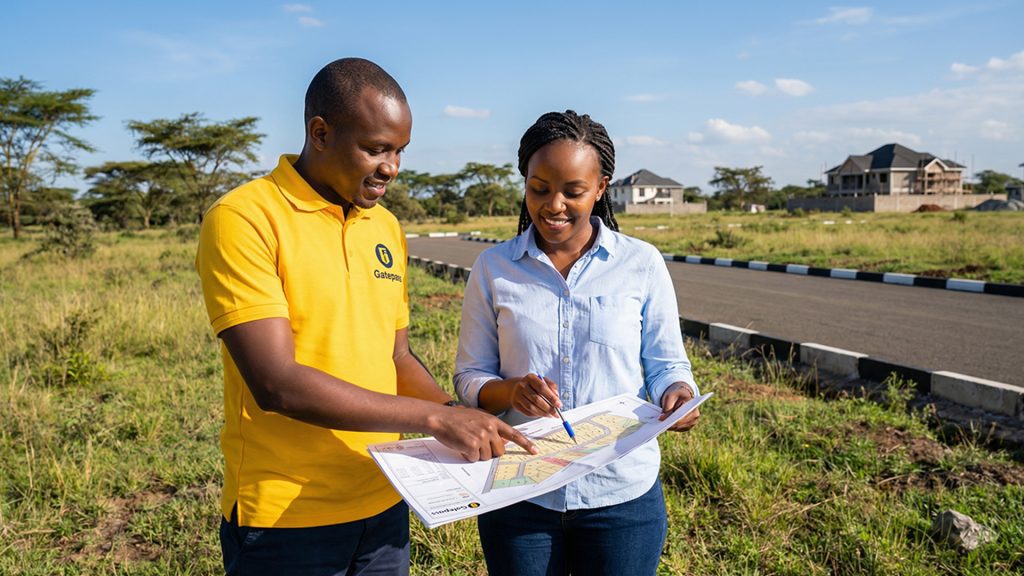
Learn what land banking in Kenya is, how it works, its benefits, risks, and how Gatepass helps you turn land into a future home or investment.

Land Banking in Kenya: A Simple Guide for First-Time & Smart Investors
Ever heard someone say, “Ningenunua shamba kitambo”?
That regret usually comes from one thing: not understanding land banking early enough.
Land banking isn’t only for the wealthy or big developers anymore. In Kenya today, ordinary salaried earners, tenants, and first-time investors are quietly building wealth by buying land early and holding it for the future.
Let’s break it down simply, honestly, and practically.
What Is Land Banking? (In Simple Terms)
Land banking is the practice of buying land today and holding it for future value, development, or resale.
You don’t have to build immediately.
You don’t have to be rich.
You only need the right land, in the right place, with the right paperwork.
Think of land banking like planting a tree.
You don’t eat the fruit tomorrow, but when it grows, it feeds generations.
Gatepass Land Investment Solutions
 Gatepass
 Why Land Banking Works So Well in Kenya
Kenya’s real estate market has one big truth:
Land is finite. People are increasing. Demand keeps rising.
Here’s why land banking makes sense locally:
1. Land Appreciates Over Time
Infrastructure follows people.
People follow opportunity.
Land near future roads, schools, towns, and industries grows in value, sometimes quietly, sometimes dramatically.
2. It Beats Inflation
While money loses value in the bank, land holds and grows value. That’s why many Kenyans trust land more than paper assets.
3. Lower Entry Cost Than Houses
Buying land is usually far more affordable than buying or building a house.
With flexible plans, many people start while still paying rent.
4. No Maintenance Stress
No tenants.
No repairs.
No management drama.
Pure ownership.
How Land Banking Actually Works (Step by Step)
Here’s what a smart land banking journey looks like:
Identify a growth area (near towns, infrastructure, or expansion zones)
Verify ownership & title deed
Secure the land (cash or flexible payments)
Hold it while value grows
Decide later: build, sell, or pass it on
This is exactly why structured facilitators like Gatepass exist: to simplify steps 2 and 3.
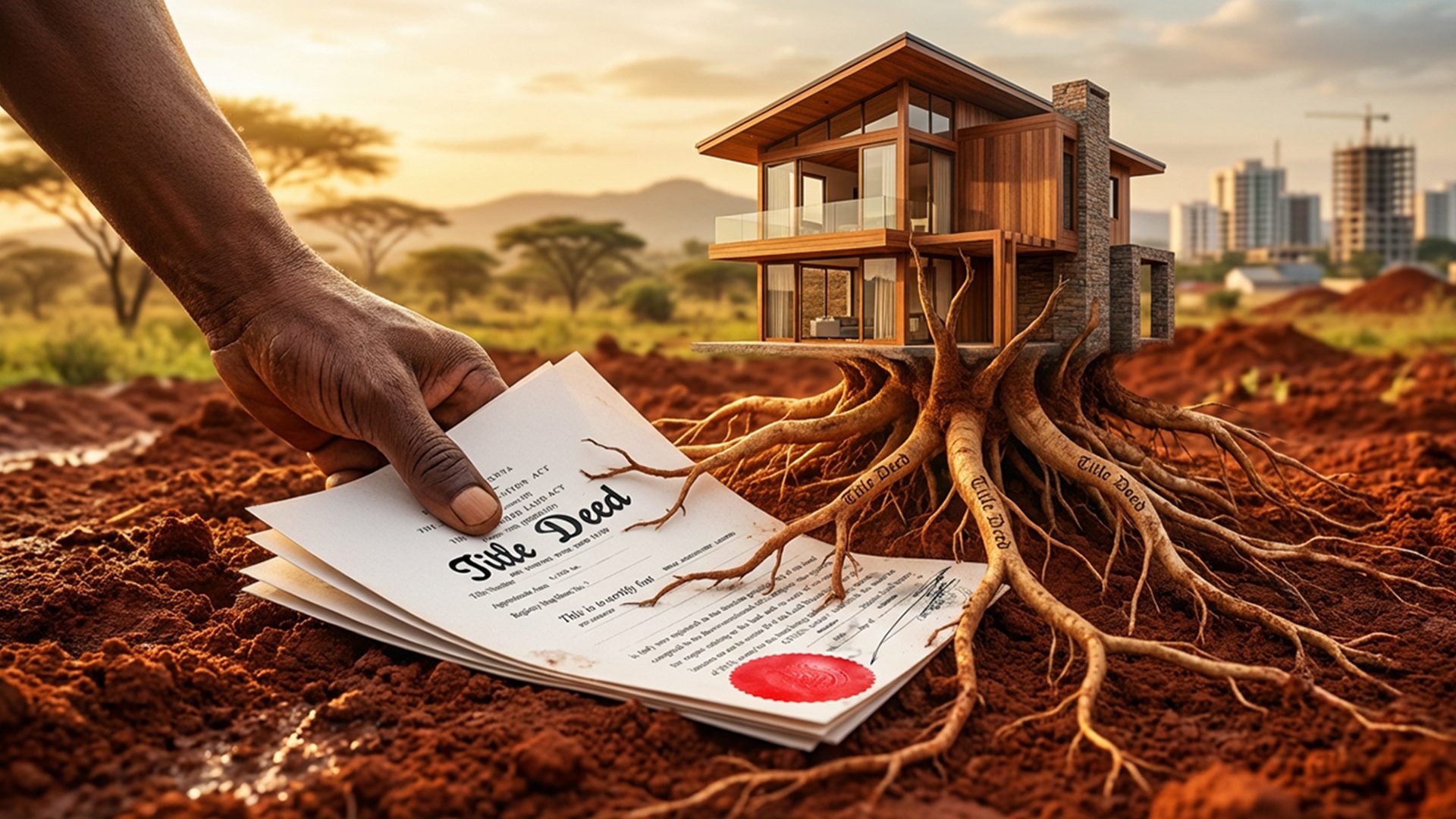
Is Land Banking Safe in Kenya?
Short answer: Yes, if done right.
Long answer: Many people get burned not because land banking is risky, but because they skip verification.
Common Risks (And How to Avoid Them)
| Risk | How Gatepass Solves It |
|---|---|
| Fake titles | Verified individual freehold title deeds |
| Land resold to others | Plot allocation secured by sale agreement |
| Hidden costs | Transparent pricing & payment plans |
| Unclear location | Free site visits before commitment |
Land banking isn’t risky. Poor process is.
Is Land Banking the Same as Buying Land to Build?
Not exactly.
Land banking = Buy now, decide later
Building immediately = Higher upfront cost
Many Gatepass clients start by land banking, then transition into homeownership when ready.
That’s where the idea comes in:
It starts as land. It ends as home.
How Much Money Do You Need to Start Land Banking in Kenya?
Here’s the good news: You don’t need millions.
With structured payment plans (commonly called lipa polepole), many Kenyans start with:
A manageable deposit
Monthly payments spread over time
No bank loans
No interest pressure
This is why even tenants paying rent can begin owning land.
Why Location Matters More Than Price
Cheap land in the wrong place is expensive.
Good land in the right place is an asset.
When evaluating land banking opportunities, always ask:
Is it accessible?
Are there schools, roads, power, and water nearby?
Is the area growing or stagnant?
Are title deeds clean and individual?
Gatepass focuses on strategic, residential-ready locations: not speculative bushland.
Land Banking vs Other Investments
Let’s be real:
Stocks fluctuate daily
Businesses require active management
Savings lose value over time
Land?
It waits.
It grows.
It doesn’t panic.
That’s why land is often called “quiet wealth.”